
Naming guide
What makes a great clan name
A clan is a group bound by shared ancestry or loyalty, and its name usually says one of three things: who founded it, what it reveres, or how it fights. The English word comes from Scottish Gaelic clann, "children" or "offspring", which is why real clans are named for a common ancestor. The MacDonalds of Clan Donald are, literally, the sons of Donald.
Different cultures built clan names in recognizable ways, and borrowing the structure is the fastest route to an authentic sound. Scottish and Irish clans use Mac, "son of", and the Irish Ó, "descendant of". Norse dynasties added -ing or -ung to a founder's name: the Ynglings of Sweden, the Skjöldungs of Denmark, the Völsungs of saga, all from the Old Norse idea of the ætt, or kin group. Greek aristocratic families used -idai, as with the Alcmaeonidae of Athens, while Roman clans, the gentes, shared a family name ending in -ius, such as Julius or Cornelius. Japanese clans were usually named for a place or ancestor, and old full names link clan and person with the particle no, as in Minamoto no Yoritomo. The famous ninja traditions took the names of their home regions, Iga and Koga.
Fantasy and gaming clans mostly use English compounds built from three slots: a totem or symbol (Wolf, Raven, Viper, Dragon), an element or material (Iron, Ember, Frost, Shadow) and a collective noun. The collective noun does more work than it looks. Clan and Tribe suggest blood ties; Horde and Marauders suggest raiders; Order and Knights suggest a code; Covenant, Circle and Coven suggest magic; Watch and Sentinels suggest guardians; Brotherhood suggests oaths sworn rather than inherited.
Clan name ideas
Tribal and warrior clan names
- Ironfist Clan: smiths and brawlers who settle disputes with bare hands
- Wolfriders: a mounted tribe bonded to great wolves
- Thunderfist Clan: mountain warriors who fight hardest in storms
- Wyrmwood Tribe: forest folk who claim descent from a dragon-haunted grove
- Savage Horde: a raiding confederation with no fixed home
- Fenris Pack: named for Fenrir, the monstrous wolf of Norse myth
Knightly orders and noble houses
- Order of the White Dragon: an old order sworn to guard a dragon, or to slay one
- Gryphon Knights: aerial cavalry with a lion-eagle crest
- Lionheart Legion: disciplined soldiers named for courage
- Order of the White Rose: a chivalric order with a symbol of purity
- Gilded Lions: wealthy, proud and a little vain
- Luminari Knights: Latin-flavored bearers of light
Magical and monastic clan names
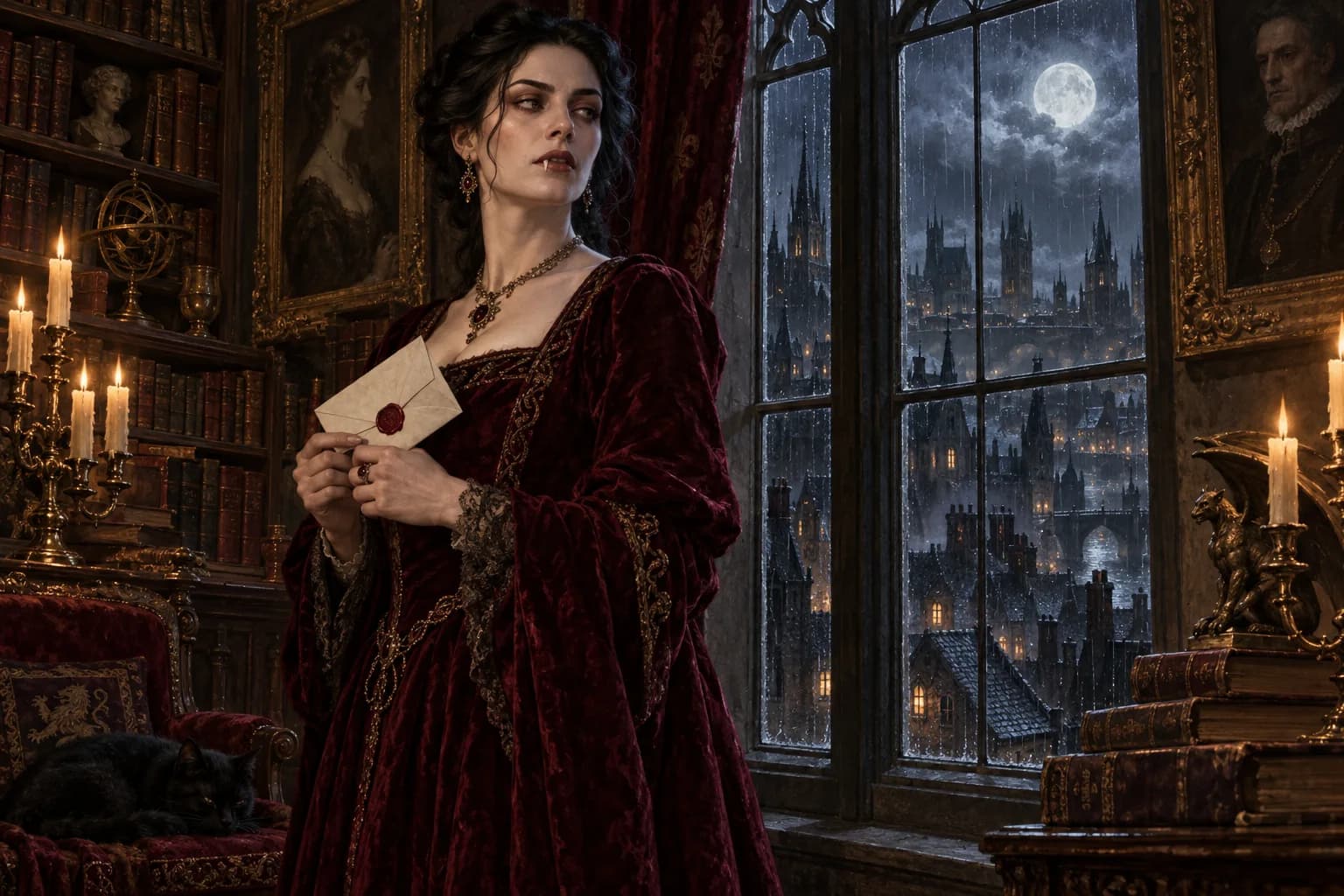
- Coven of the Black Rose: dark witches with a secret sigil
- Covenant of the Elements: mages bound by a pact with the four elements
- Moonwhisper Circle: night druids who hear the moon
- Arcane Assembly: a scholarly council of wizards
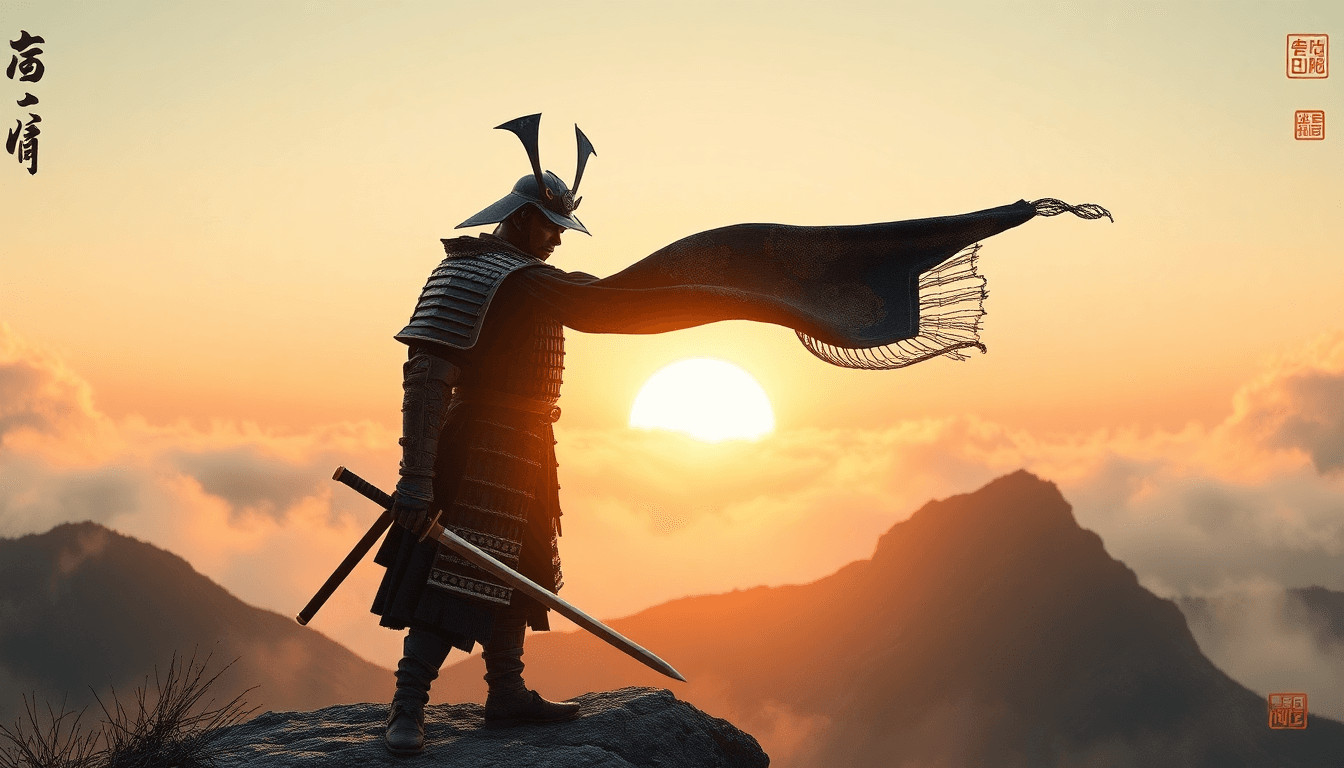
- Kensei Brotherhood: Japanese kensei means "sword saint", for warrior monks
- Warriors of the Setting Sun: an eastern order sworn to a vow at dusk
Pirate and outlaw clan names
- Kraken's Tooth: a crew that boasts of killing a sea monster
- Maelstrom Pirates: famous for sailing through whirlpools
- Crimson Reavers: bloody coastal raiders
- Viper's Nest: smugglers and poisoners in a hidden cove
- Stormsurge Pirates: raiders who strike in the worst weather
- Shadowhand Clan: a thieves' guild that is never seen
Clan names by culture
- Kuroba Clan: Japanese-style, built on kuro, "black"
- Kage no Kabuto: Japanese for "helmet of shadow"
- Kitsune no Yoru: "night of the fox", for a clan of tricksters
- Gwyllgi Clan: named for the spectral black dog of Welsh folklore
- Caledonian Sentinels: from Caledonia, the Roman name for northern Britain
- Valhalla's Chosen: Norse warriors who expect a seat in Odin's hall
- Tartarus Brotherhood: named for the Greek abyss beneath the underworld
How to create your own clan name
Name it after a founder. Take a personal name and apply a real pattern: the Haldings ("Hald's kin"), Clan MacBrann, the Corvinii, the Thrassidai. Founder names imply a family tree, a history and heirs who can disgrace it.
Pick a totem and a collective noun. Choose an animal, plant or object your clan reveres, then the noun that fits its behavior: Raven Watch for scouts, Raven Covenant for oath-bound mages, Raven Horde for raiders. Swapping only the noun changes the whole tone.
Fuse an element with a body part or weapon. Iron, Blood, Thunder, Ember or Frost combined with fist, fang, blade, maw or shield produces the classic fantasy clan word: Frostfang, Embermaw, Thundershield. Use it alone or add Clan.
Use a possessive for menace or legend. Kraken's Tooth, Raven's Spire and Gorgon's Gaze suggest the clan owns a relic or a story, which suits pirates, outlaws and cults.
Shorten a motto. Write the clan's creed in a sentence, then compress it: "we hold the pass until death" becomes the Passwardens or the Last Shield. Scottish clans carried mottos and war cries, so the long version can survive as the clan's slogan.
Tips for using clan names in your game or story
Build naming families. If one Norse-style clan is the Haldings, its rivals should be the Ormings or the Skarungs, not the Arcane Assembly. Matching suffixes tells players these groups share a culture.
Decide how members carry the name. Characters might use it as a surname (Brann of Clan Ironfist), a patronymic (Kira MacFenris) or only as a sigil on their shields. Settle it early to avoid contradictions.
Match the style to the faction's role. Dark and ominous names (Darkfire Covenant, Wraithborn Clan) suit villains; light and playful ones (Stardust Caravan, Wind Dancer Tribe) suit traders, nomads or comic relief; mysterious and ancient ones (Covenant of the Ancients, The Nameless Clan) suit hidden powers.
For a gaming clan, say the name aloud and test the abbreviation. Your clan tag appears beside every player name, so check that the initials do not spell something unfortunate and that the full name fits your game's character limit.