


Naming guide
What makes a great shaman name
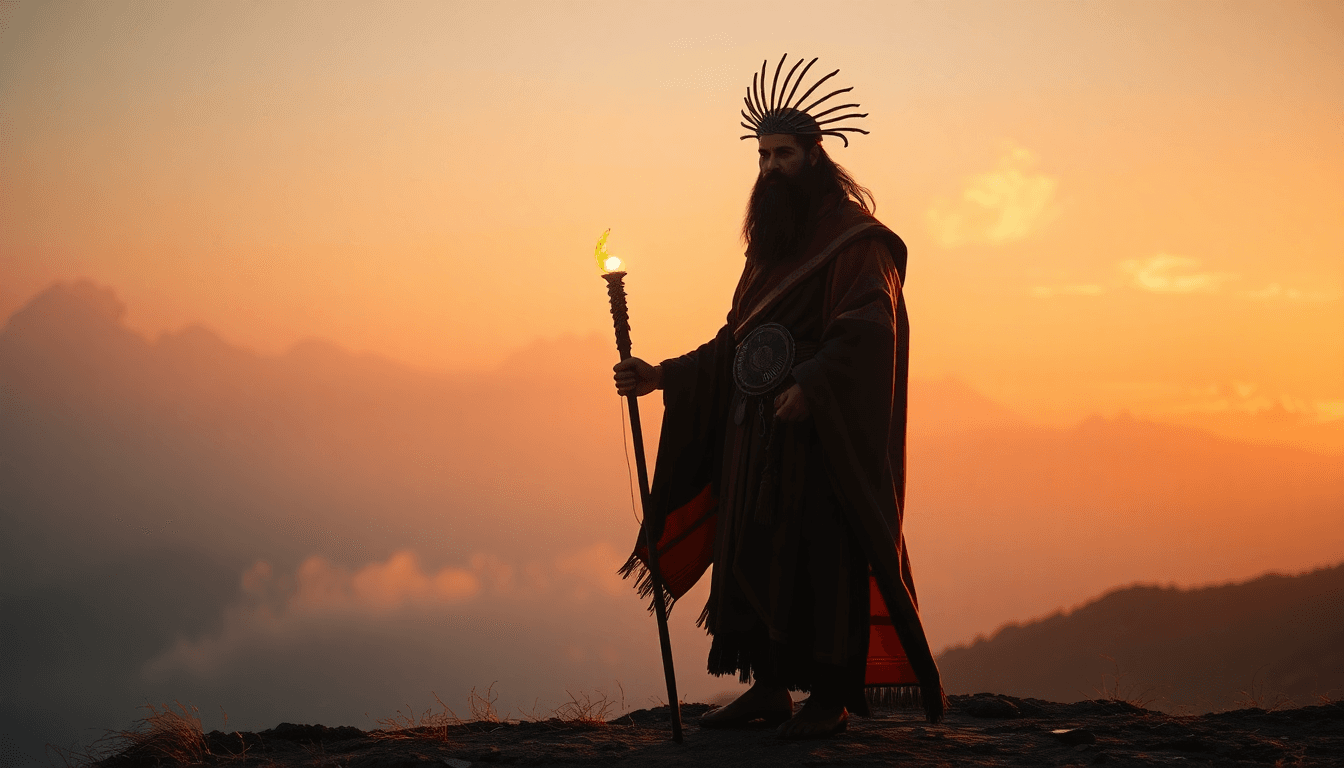
The word shaman comes from the Evenki, a Tungusic people of Siberia, and reached European languages through Russian accounts in the seventeenth century. In Siberian traditions a shaman mediates between people and the spirit world, often entering trance to the beat of a drum to heal the sick, find what is lost or guide the dead. Anthropologists later stretched the word to similar practitioners worldwide, although many Indigenous communities in the Americas prefer their own terms, such as medicine man or medicine woman.
Fantasy shaman names inherit that role. The best ones tell you what the shaman does and which spirits answer: a healer, a seer who reads dreams, a warrior who calls storms into battle. That is why the most common pattern is a short personal name plus an earned descriptive name, such as Yara Earthmother or Kaito Emberfist. The personal name gives the culture; the second name gives the calling.
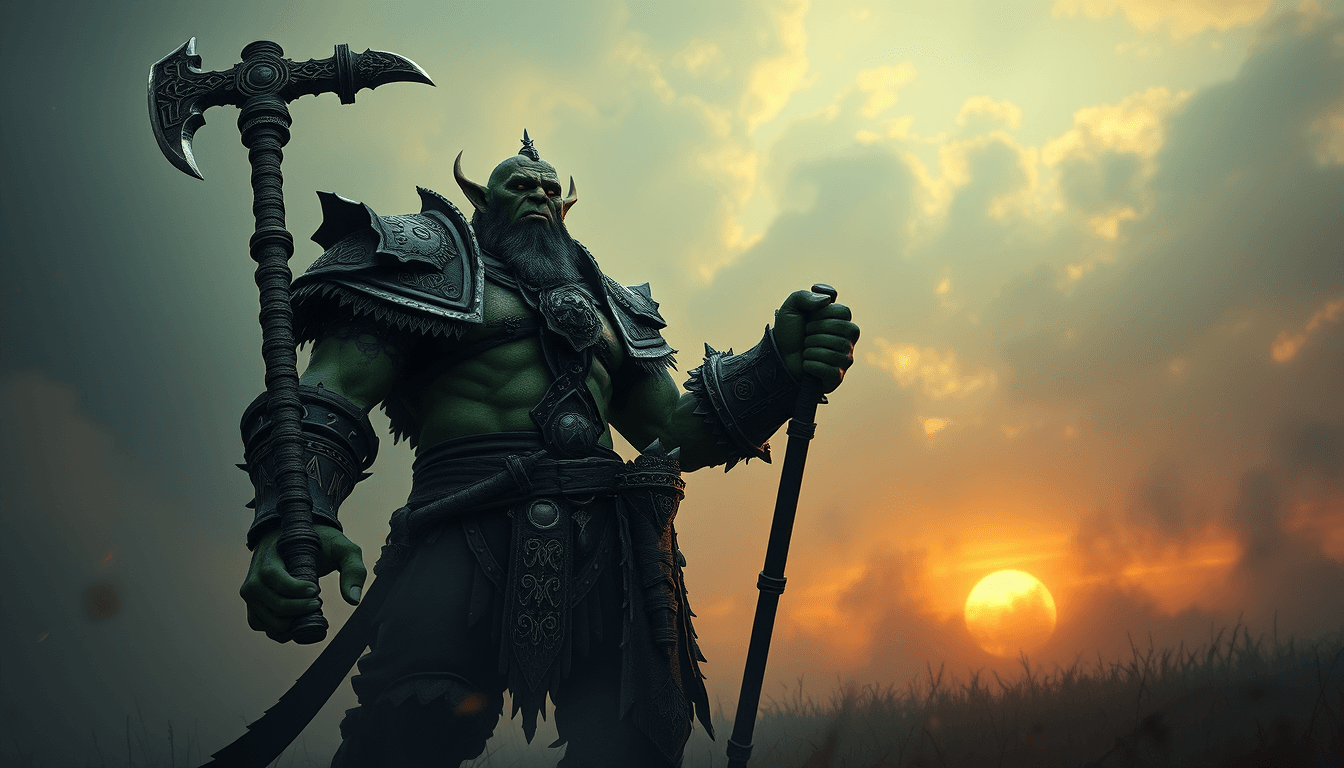
Shaman descriptors usually join one force of nature to one role. The force is Earth, Storm, Moon, Ember, Mist, River, Sky or Star; the role is -caller, -walker, -song, -keeper, -seer or -weaver. Elements matter in games. In World of Warcraft, shamans command earth, fire, water and air through totems, so elemental compounds fit orc, tauren and troll shamans naturally. D&D 5e has no shaman class, so players build one as a druid (the Circle of the Shepherd suits spirit totems), a Nature domain cleric or a Path of the Totem Warrior barbarian, and choose names that say which spirits they speak with.
Shaman name ideas
Healer shaman names
- Yara Earthmother: a nurturing healer who draws strength from the soil
- Meadow Greenleaf: an herbalist who knows every plant on the hillside
- Ayla Breezekeeper: cools fevers by calling a gentle wind
- Kai Riverwalker: follows the rivers to sick villages and lost souls
- Tahno Earthkeeper: guardian of the tribe's healing ground
- Nalani Oceanbreeze: a coastal healer whose cures taste of salt
Seer and dreamwalker names
- Vesper Stargazer: Vesper is the evening star, for a seer who reads the night sky
- Kokoro Heartseer: Japanese kokoro means "heart", for a seer of hidden intentions
- Zara Moonwhisper: hears the moon's counsel in silence
- Piper Dreamweaver: mends and shapes the dreams of others
- Elara Starseed: a celestial seer said to be born under a comet
- Kanaq Seesfar: a far-sighted oracle whose name is a plain promise
Warrior shaman names
- Kaito Emberfist: strikes with fire-wrapped hands
- Ronan Earthshaker: a war chanter whose stamp splits stone
- Siku Stormbringer: siku is Inuktitut for "sea ice", for a cold, hard storm fighter
- Sorcha Flameblade: Sorcha is Irish for "radiant", fitting a blade wreathed in fire
- Yosi Mountainroar: a battle shaman with a voice like an avalanche
- Kieran Stormsurge: leads the charge on a wave of thunder
Spiritwalker names
- Thayle Spiritwalker: crosses into the spirit world and back
- Makka Fogwalker: moves unseen between mists and ghosts
- Nanook Icetracker: from the Inuit nanuq, "polar bear", an Arctic tracker of spirits
- Tika Ravenheart: bonded to raven spirits, messengers between worlds
- Cian Nightwolf: Cian is Irish for "ancient", walking with a wolf spirit
- Kestrel Nightvision: a hawk-eyed guide through dark places
Celestial shaman names
- Orion Heavensent: marked at birth by the hunter's constellation
- Caelum Sunshadow: Latin caelum means "sky", for a shaman of dusk
- Lylah Starweaver: weaves star paths for lost travelers
- Astrid Celestia: Astrid is Old Norse for "divinely beautiful"
- Mala Heavensong: chants that are said to carry to the stars
How to create your own shaman name
Start with the role, then the element. Write down what your shaman does (heals, sees, fights, guides the dead) and which force answers them, then fuse the two: storm and calling give Stormcaller, river and walking give Riverwalker, ash and singing give Ashsong. One or two syllables per half keeps the name easy to say.
Use a naming moment. Many fantasy cultures name a shaman twice, once at birth and again after a vision, a fever or a first trance. Decide what happened and name it: a girl who survived a lightning strike becomes Kaya Stormtouched, an elder who dreamed of a wolf becomes Gray Wolf Dreaming.
Translate instead of borrowing. Rather than lifting a sacred word from a living Indigenous language, write the meaning in plain English or in your own invented language: One Who Hears Rivers, Seesfar, Ashmother. Translated names read as authentic in fiction and avoid misusing a real culture's religious vocabulary.
Change the sound for a northern shaman. Short names heavy with k, q and t sounds (Tukkiaq, Kanaq, Akakor) evoke ice and tundra, and pairing them with drum, antler, bone or reindeer imagery (Kanaq Drumbone, Tukkiaq Antlerborn) separates a tundra shaman from the familiar forest druid.
Tips for using shaman names in your game or story
Keep one naming system per culture. If your orc clans use earned elemental surnames, every orc shaman should have one; if a desert tribe uses translated phrases, keep them all as phrases. Mixing Kaito Emberfist, Gwenyth Moonflower and a single-word name in one village reads as random.
Let the name match the spirits. A gentle healer called Flameblade sends mixed signals unless that tension is the point, and matching element to role helps players remember who does what.
Treat real sacred names with care. Kokopelli, Iktomi and Wakinyan name specific beings in living Hopi and Lakota traditions, and many Indigenous Americans object to "shaman" as a label for their own spiritual leaders. Invented or translated names avoid that problem for a fictional character.
Mind the game's limits. World of Warcraft names are one word of 2 to 12 letters, so Lysander Earthsong will not fit; use the compound alone (Earthsong) or the personal name, and keep the full version for roleplay.